Blog · Pricing
Trying to work out what laser cutting should actually cost in Australia? This guide explains how jobs are priced, what really drives the number on the quote and what you can do to keep cutting costs under control without cutting corners on quality.
Quick overview – how laser cutting is priced in 2025
In most Australian shops, laser cutting is not just a flat rate per hour. Your quote is a combination of setup, cutting time, material usage, handling and sometimes finishing or freight. Understanding these pieces makes it much easier to compare quotes and design parts that cut efficiently.
What you are actually paying for
- Machine time (laser on-time plus handling and pierces).
- Material – whole sheets, partial sheets or scrap utilisation.
- Setup – programming, nesting and file checks.
- Extras – deburring, tapping, countersinks, labelling, packing.
Biggest levers you control
- File quality – clean DXF means faster setup and fewer surprises.
- Sheet optimisation – good nesting reduces waste.
- Part standardisation – repeated parts cut cheaper than one-offs.
Laser vs other processes
- Laser beats plasma on detail and finish for most thin sheet metal.
- Laser beats waterjet on speed for many metals and plastics.
- CNC router or knife may be cheaper for thick panels or foams.
Related content: fiber vs CO2 laser cutting and laser vs CNC router blog posts.
Key cost drivers in laser cutting quotes
Different shops use different quoting software and language, but underneath it all the same physics and economics apply. These are the big knobs that move your price up or down.
1. Material type and thickness
- Thicker material generally means slower cutting and higher cost.
- Stainless and aluminium take longer to cut cleanly than mild steel.
- Specialty materials or customer-supplied stock can add handling time.
2. Part size, detail and quantity
- More perimeter length and more holes mean more cutting time.
- Very fine detail increases pierces and slows feed rates.
- Larger batches usually bring the cost per part down sharply.
3. Nesting and sheet utilisation
- Better nesting = less waste and more parts per sheet.
- Awkward part shapes or low quantities can leave unused areas.
- Using standard sheet sizes (for example 1200 x 2400 or 1500 x 3000) helps.
4. Setup, file prep and admin
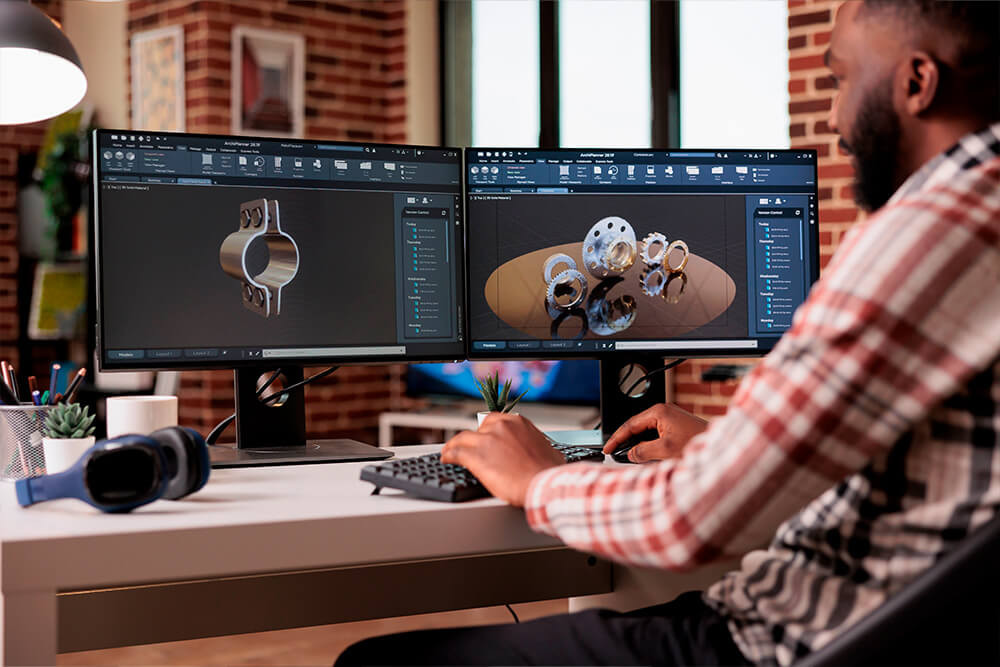
- Time spent fixing bad DXF files still has to be paid for somewhere.
- Custom jobs with many variants take longer to program than repeat sets.
- Clear drawings, part lists and instructions reduce admin overhead.
Common laser cutting pricing models
Most Australian laser cutting shops use a mix of pricing methods depending on whether they are quoting one-off jobs or repeat production. Understanding the model helps you compare apples with apples.
Per hour (machine time)
- Internal cost metric – often visible only indirectly in your quote.
- Complex jobs with lots of cutting and piercing lean heavily on this.
- Expect the effective rate for a modern fiber laser to be higher than a basic CNC, but with more output per hour.
Per part or per kit
- Common for repeat OEM work, gasket kits and standard brackets.
- Setup cost is spread across the volume, so pricing is stable.
- Easy for buyers – one part number, one clear unit price.
Per sheet or per project
- Useful when you are filling full sheets with mixed parts.
- Signage, architectural panels and fit-out work often lands here.
- Material, cutting and handling rolled into one project figure.
At Laser Cutting Experts we typically combine real cutting time, material usage, nesting efficiency and setup into a transparent project price, rather than billing raw machine hours in isolation.
Example scenarios – why similar jobs price differently
Two quotes can look very different on paper even when they are both reasonable. These simplified scenarios show why.
Scenario 1 – metal brackets
- Job A: 12 unique bracket designs, 4 pieces each.
- Job B: 1 proven bracket design, 200 pieces.
- Job A has more setup, more programming, more nesting decisions.
- Job B spreads setup across a larger volume, so per-part cost is lower.
Scenario 2 – acrylic letters
- Job A: 3 different fonts, multiple sizes, multiple colours.
- Job B: one consistent font and size across a roll-out.
- Job A is slower to set up, pack and label correctly.
- Job B cuts and packs faster, with less chance of errors.
How to reduce laser cutting costs without making rubbish parts
Cutting cost is not about beating suppliers down until they cut corners. It is about designing and specifying parts that run efficiently on the machine in the first place.
Make files easy to cut
- Send clean DXF or vector files with one layer and no duplicated lines.
- Avoid tiny, unnecessary features that do not matter functionally.
- Stick to realistic tolerances – do not specify machining where laser is fine.
Standardise where possible
- Standard hole sizes and material thicknesses are faster to set up.
- Use the same bracket or plate across multiple locations where you can.
- Plan in full sheets or logical kits, not random one-offs.
Be clear about what matters
- Call out truly critical dimensions and surfaces.
- Let non-critical areas float within sensible tolerances.
- Only specify deburring, linishing or polishing where it will be seen or affect fit.
Order sensibly
- Consolidate small orders into sensible batches where possible.
- Avoid urgent "fire drill" orders caused by avoidable design delays.
Instant quote engines vs manual quoting
Online instant quote systems are excellent for standard sheet work in known materials and thicknesses. Manual quoting still matters for complex, mixed-material or high-touch jobs.
When instant quoting works well
- Standard metals and plastics within published thickness ranges.
- Clean DXF files, sensible quantities, simple packing.
- Jobs where speed of quote matters more than heavy customisation.
Internal link: Laser Cutting Experts instant quote engine for fiber laser and selected materials.
When manual quoting is better
- Mixed jobs using laser, CNC router and digital knife together.
- Gaskets, foam kits, complex kitting and labelling requirements.
- Large roll-outs where logistics and packaging are a big part of the work.
Laser cutting pricing – FAQs
Laser Cutting Experts prices work using a combination of real cutting time, material yield, setup and handling, rather than hiding everything behind a single vague hourly rate. For metal work, a modern fiber laser offers fast, accurate cutting that often replaces older plasma and punching processes. For acrylic, plastics, timber and gaskets, CO2 laser, CNC router and digital knife cutting are selected based on which mix will deliver the best value for the specific job.
For buyers, the most effective way to keep laser cutting costs under control is to design with manufacturing in mind. That means choosing materials and thicknesses that suit the process, avoiding unnecessary complexity, grouping work into sensible batches and being clear about which dimensions and surfaces truly matter. Good DXF files, realistic tolerances and thoughtful nesting can easily make the difference between an expensive, frustrating project and a smooth, repeatable production run.
Based in Sydney and servicing the East Coast of Australia, Laser Cutting Experts supports everyone from small manufacturers through to national roll-outs. Whether you are costing a one-off prototype or a full programme of repeat parts, sending files through for a quote will always give you a more accurate picture than working off generic "price per hour" guesses.