Blog · Laser cutting technology
If you are comparing laser cutting options, the first decision is usually the biggest: do you go with fiber laser cutting or CO2 laser cutting? This guide breaks down how each technology works, which materials they suit best, and how to choose the right process for your next job.
In this article
Quick summary – when to use fiber vs CO2
Both fiber and CO2 laser cutting have a clear place in modern fabrication. In practice, the decision usually comes down to the material you are cutting and the finish you need.
Fiber laser cutting
- Best for metals: aluminium, stainless steel, mild steel, brass, copper and corten.
- Very fast cutting speeds, especially on thin to mid-gauge sheet metal.
- Excellent dimensional accuracy and fine detail for brackets, components and OEM parts.
- Lower running cost per part on metal than CO2 laser or plasma for many jobs.
- Ideal for engineering, fabrication, construction components and OEM production.
Internal link: see our fiber laser cutting service page for detailed capabilities, bed size and thickness range.
CO2 laser cutting
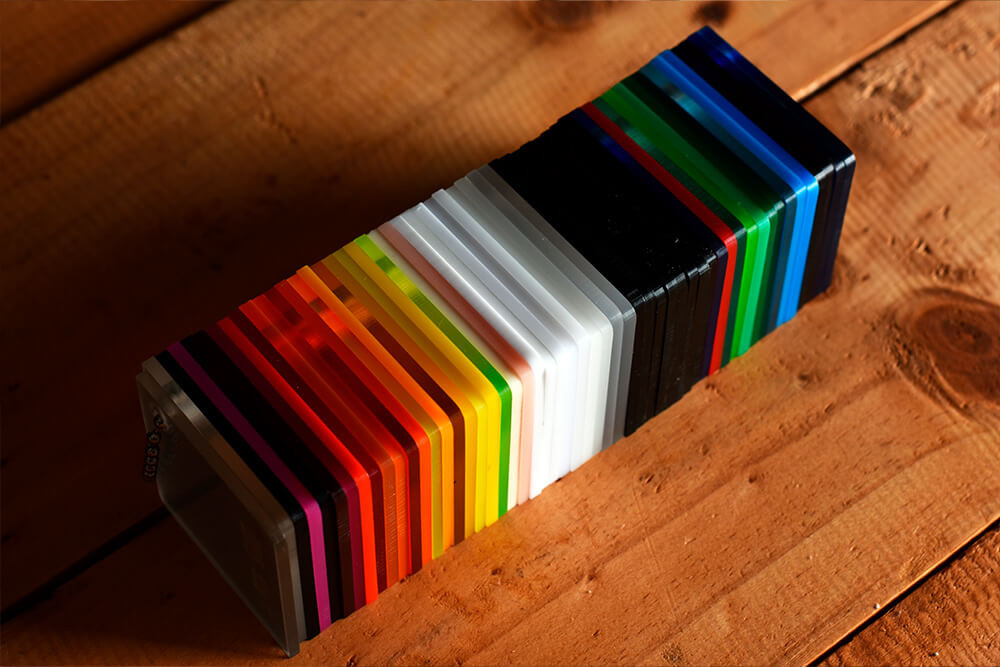
- Best for non-metals: acrylic, timber, MDF, plywood, rubber, gaskets, foams and many plastics.
- Produces flame-polished edges on acrylic that are ready for display work.
- Great for engraving, marking and fine decorative details on organic materials.
- Extremely versatile for signage, displays, packaging prototypes and architectural interiors.
- Ideal when you need both cutting and engraving on the same sheet.
Internal link: see our CO2 laser cutting service page for materials, thicknesses and example projects.
How fiber and CO2 lasers actually work
Under the hood, fiber lasers and CO2 lasers generate light in very different ways. The wavelength and the way power is delivered into the material is what drives the difference in cutting performance.
Fiber laser cutting in simple terms
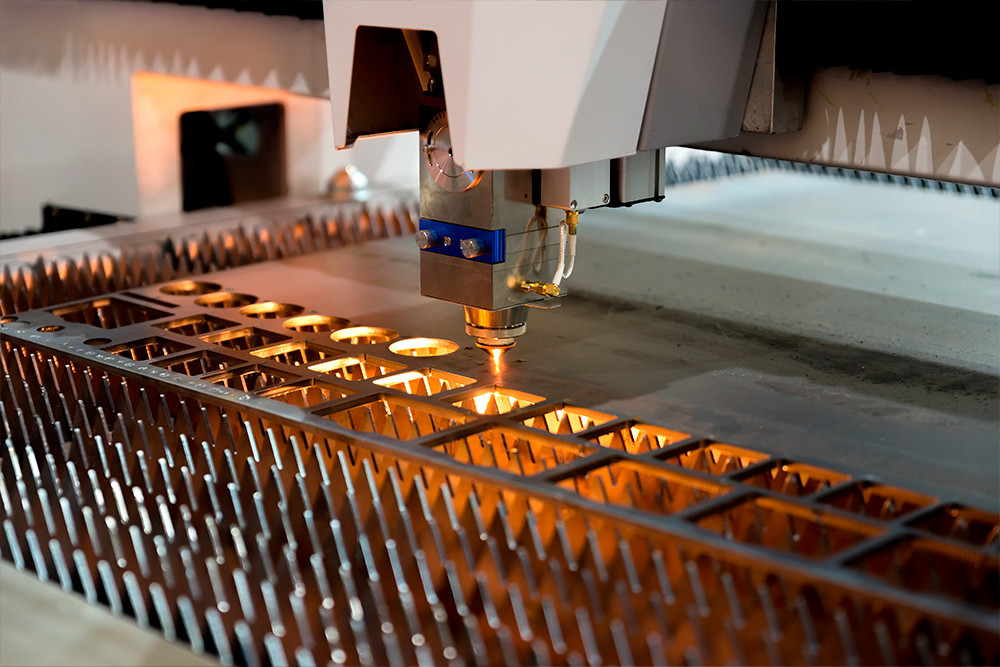
- Uses a solid-state laser source and fiber-optic cable to deliver a very concentrated beam.
- Operates at a shorter wavelength that metals absorb extremely efficiently.
- Delivers high energy density in a small spot, which is perfect for fast metal cutting.
- Often combined with nitrogen assist gas for clean, oxide-free edges on stainless and aluminium.
For most sheet metal work, fiber laser is now the default choice because it is faster and more efficient than CO2 laser. It also handles reflective metals like aluminium and copper far better than older systems.
CO2 laser cutting in simple terms
- Uses a gas mixture (mainly carbon dioxide) in a resonator tube to generate the laser beam.
- Operates at a longer wavelength that is absorbed well by organic materials and many plastics.
- Very good at both cutting and engraving in a single setup.
- Can achieve polished edges on acrylic and smooth finishes on timber, MDF and paperboard.
CO2 laser cutting is the workhorse process for signage, acrylic displays, point-of-sale, packaging mock-ups and architectural detailing where you are working mainly with non-metal sheets.
Materials each laser cutting process is best for
If you remember only one thing, make it this: fiber laser is for metals, CO2 laser is for non-metals. There are edge cases, but that simple rule holds for the majority of commercial work.
Typical fiber laser materials
- Aluminium sheet for panels, brackets and construction components.
- Stainless steel for food, architectural and industrial applications.
- Mild steel for general fabrication, frames and base plates.
- Corten and weathering steels for architectural facades and signage.
- Brass and copper for electrical, decorative and engineering parts.
Related content: aluminium laser cutting, stainless steel laser cutting and mild steel laser cutting material pages.
Typical CO2 laser materials
- Acrylic for signage, displays, retail fixtures and branding.
- Timber, MDF and plywood (including birch and hardwood) for joinery and interiors.
- Plastics such as PETG, polycarbonate, polypropylene and some HDPE grades.
- Rubber, cork and compressed sheet for gaskets and seals.
- Foams (EVA, PE and others) for case inserts, packaging and protection.
- Paperboard and cardboard for packaging prototypes and presentation boxes.
Related content: acrylic laser cutting, MDF cutting, plywood cutting and gaskets and seals industry pages.
Speed, accuracy and edge quality compared
In many projects you are balancing three things at once: how fast the parts can be cut, how accurate they need to be, and how good the edge finish has to look without extra post-processing.
Cutting speed
- Fiber laser is significantly faster than CO2 on thin to mid-gauge metals.
- On non-metals, CO2 laser speed is usually more than adequate for signage and display volumes.
- For big, repeat metal runs, fiber laser efficiency compounds into real savings.
Accuracy and detail
- Fiber laser offers very fine kerf width and tight tolerances on metal components.
- CO2 lasers also deliver excellent accuracy on acrylic, timber and plastics.
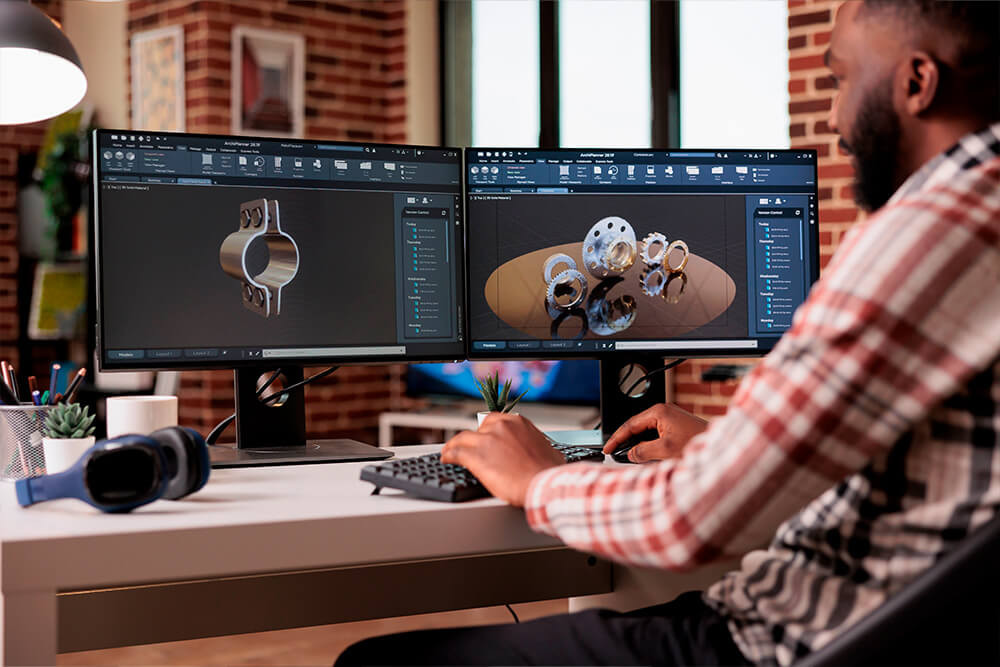
- Both processes are suited to CAD-driven production and repeatable parts.
Edge quality
- Fiber laser with nitrogen assist produces clean, bright edges on stainless and aluminium.
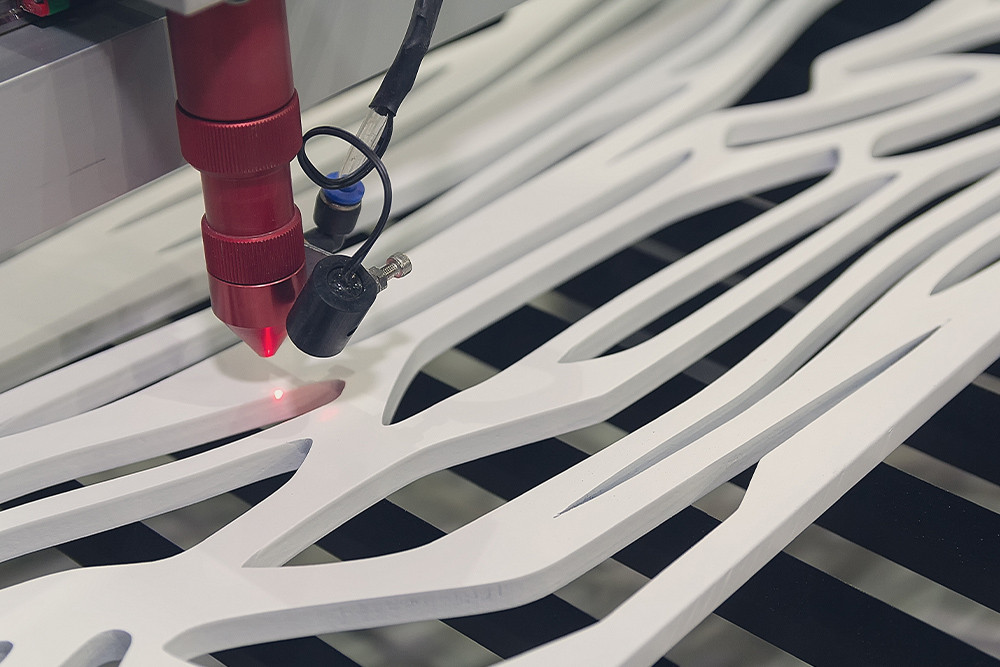
- CO2 laser produces polished edges on clear and coloured acrylic, ideal for premium signage.
- On timber and MDF, a CO2 laser leaves a neat, slightly darkened edge that most clients expect.
Cost differences between fiber and CO2 laser cutting
Costs vary by job, but a few general rules will help set expectations when you are budgeting a project or reviewing quotes.
When fiber laser is more cost-effective
- Medium to large batches of metal parts with consistent material and thickness.
- Projects where cutting time is the main cost driver and throughput matters.
- Components that would otherwise require secondary machining or punching.
- Work where clean, oxide-free edges reduce later welding or finishing time.
When CO2 laser is more cost-effective
- Acrylic signage and displays that benefit from polished edges straight off the machine.
- MDF, plywood and timber panels for fit-outs, joinery and point-of-sale.
- Mixed jobs with cutting and engraving on the same sheet.
- Gaskets, foams and case inserts where digital knife or CNC routing can complement CO2 work.
The most accurate way to compare costs is to run the same file through each process. At Laser Cutting Experts we can advise whether fiber laser, CO2 laser, CNC router or digital knife cutting is the most economical option for your material and quantities.
Which industries use which process?
In a busy shop, the right mix is usually both: fiber laser for metal, CO2 laser for non-metals. Here is how that plays out across common industries.
Fiber laser – typical use cases
- Engineering and fabrication – brackets, plates, gussets and OEM components.
- Construction and building – metal balustrade panels, trims and structural plates.
- Mining and industrial – wear plates, guards and equipment parts.
- Shopfitting and interiors – metal frames, supports and architectural details.
- Signage and display – metal letter backs, brackets and hardware.
CO2 laser – typical use cases
- Signage and branding – acrylic letters, logos, lightbox faces and inserts.
- Joinery and shopfitting – decorative panels, MDF details and feature walls.
- Packaging and foam inserts – case inserts, trays and protective packaging.
- Gaskets and seals – flat rubber, cork and PTFE gaskets from sheet material.
- Events and sets – temporary lettering, props and branded structures.
How to choose between fiber and CO2 laser cutting
You do not need to become a laser expert to make the right decision. Work through these simple questions and you will usually land on the right process quickly.
1. What is the base material?
- If it is a metal sheet (aluminium, stainless, mild steel, brass, copper), start with fiber laser.
- If it is acrylic, timber, MDF, plywood, rubber, cork, foam or paperboard, start with CO2 laser.
- For composite jobs or multi-material kits, a mix of processes may be best.
2. What edge finish do you need?
- For visible metal edges that may be painted or powder coated, fiber laser is ideal.
- For clear acrylic edges that need to look polished, CO2 laser is the right tool.
- For parts that will be hidden, slightly more functional edge finishes may be fine.
3. What volumes are you running?
- For large, repeat production, process efficiency matters – fiber laser wins on metal.
- For smaller, mixed jobs in non-metals, CO2 laser remains extremely competitive.
4. Do you need other processes in the mix?
- Complex projects often combine fiber laser, CO2 laser, CNC routing and digital knife cutting.
- For example: metal backers on fiber laser, acrylic faces on CO2, and foam inserts on digital knife.
Internal link cluster: fiber laser cutting, CO2 laser cutting, CNC router cutting and digital knife cutting service pages.
Fiber vs CO2 laser cutting – FAQs
Laser Cutting Experts operates both fiber laser and CO2 laser cutting systems so that metal fabrication, signage, packaging and industrial customers can choose the right process without having to manage multiple suppliers. In one job we might cut stainless steel brackets on a fiber laser, acrylic faces on a CO2 laser, MDF backing panels on a CNC router and EVA foam inserts on a digital knife cutter. The result is a clean, integrated workflow built around flat sheet materials up to 1500mm x 3000mm.
When you are researching fiber vs CO2 laser cutting, the most important considerations are material, edge quality, accuracy, budget and lead time. Fiber laser technology delivers exceptional speed and precision in metals such as aluminium, stainless steel and mild steel, which makes it ideal for engineering and construction components. CO2 laser cutting remains the first choice for acrylic displays, timber and MDF panels, gaskets, seals and foam inserts where surface finish and versatility across non-metals matters more than raw cutting speed.
Based in Sydney and servicing customers across the East Coast of Australia, Laser Cutting Experts supports one-off prototypes, short runs and ongoing production. If you do not know whether fiber laser or CO2 laser cutting is right for your project, you can simply send through drawings and material specifications and our team will recommend the most suitable process mix. That way you get the advantages of both technologies without needing to invest in specialist machinery or spend time comparing different suppliers.