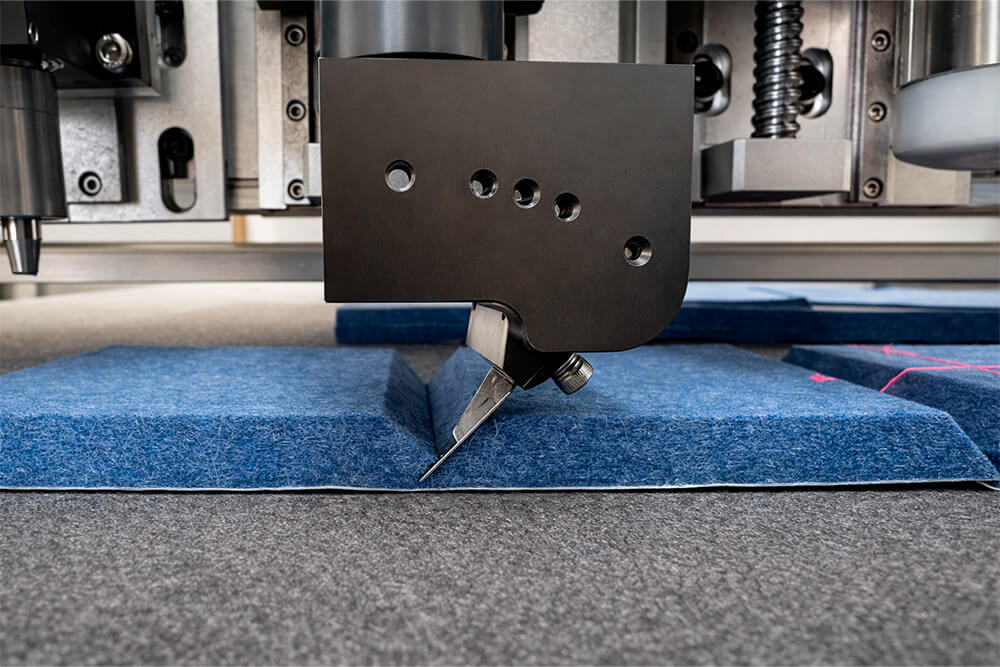
Knife Digital Cutting

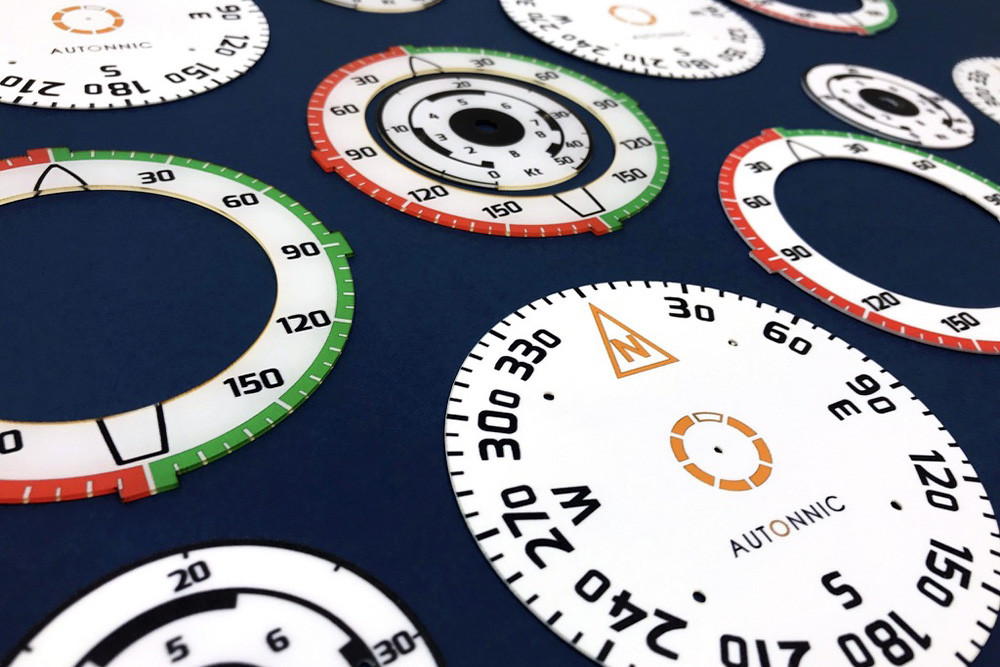
Production-grade digital knife cutting for cardboard, corrugated board, foam, PET felt, rubber and soft composites — clean, cool edges with no burn or fumes. Ideal for packaging inserts, POS displays, acoustic panels, gaskets and short-run packaging. Upload DXF / AI / SVG for instant pricing and Australia-wide delivery.
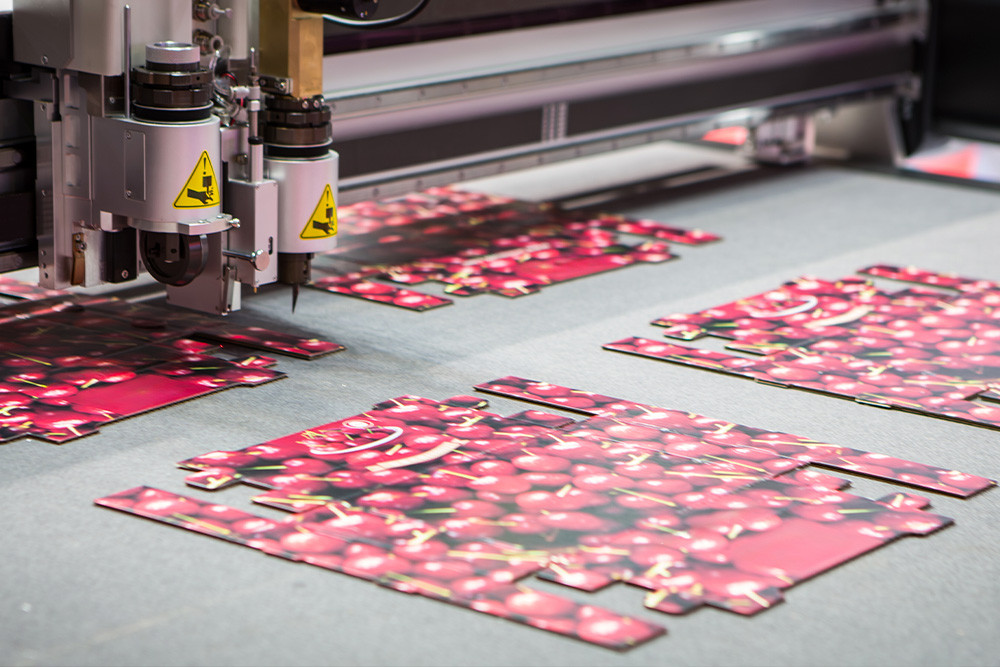
Flat parts only — no folding Typical sheet up to 3000 × 1500 mm 1–5 days dispatch
Knife Digital Cutting

Industries we work with

Digital knife cutting is the go-to process for high-precision soft materials and non-metallic sheets — perfect for packaging, print, signage, acoustic panels and point-of-sale work where laser cutting is not suitable.
  • Packaging & POS
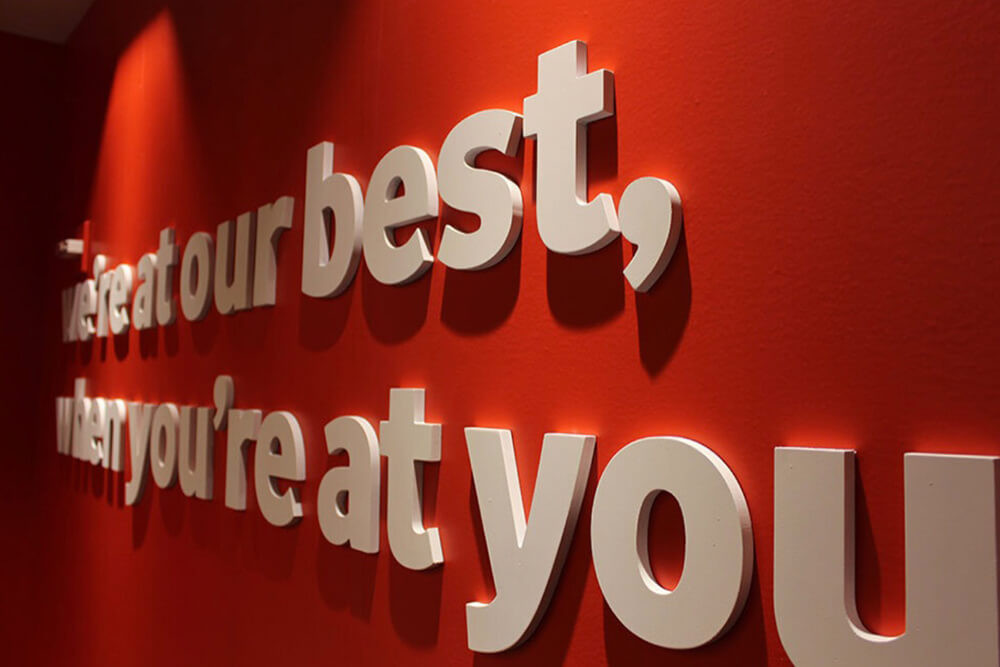
  • Signage & Display
  • Events & Sets
  • Architecture & Interiors
  • Brand Activation & Retail
  • Electronics & Prototyping
  • Industrial Components
  • Education & Makers

Materials & Thickness Guide

Internal production limits for digital knife cutting, creasing and kiss-cutting.

Typical in-house materials for digital knife cutting, creasing and kiss-cutting

Paper & Cardboard

  • Screenboard / display board — up to ~3 mm.
  • Folding boxboard (FBB) and solid bleached board.
  • Greyboard and chipboard sheets.
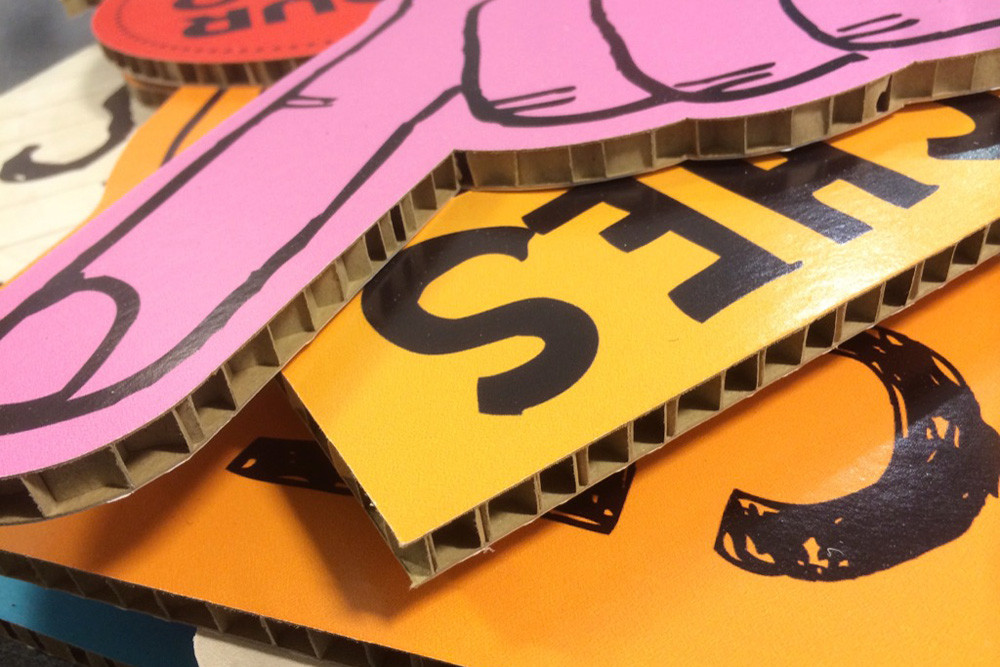
  • Corrugated cardboard — single & double wall.
  • Heavy card and paperboard for prototypes.

Foams, Rubbers & Soft Materials

  • PE, PU & EVA foam inserts — up to ~25 mm.
  • Case foam and drawer liners.
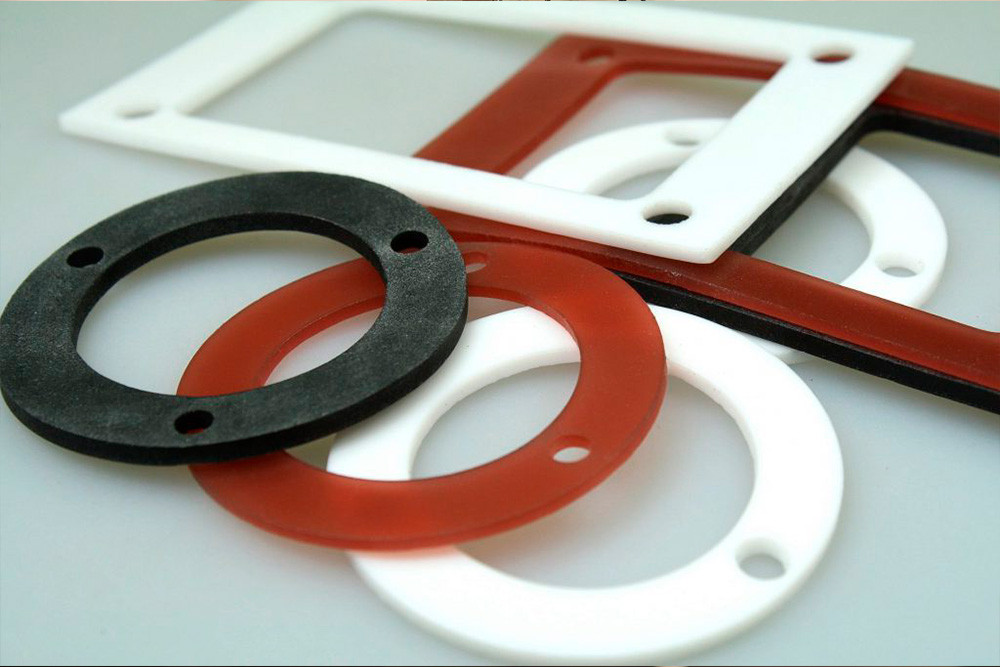
  • Neoprene, NBR & EPDM rubber sheets.
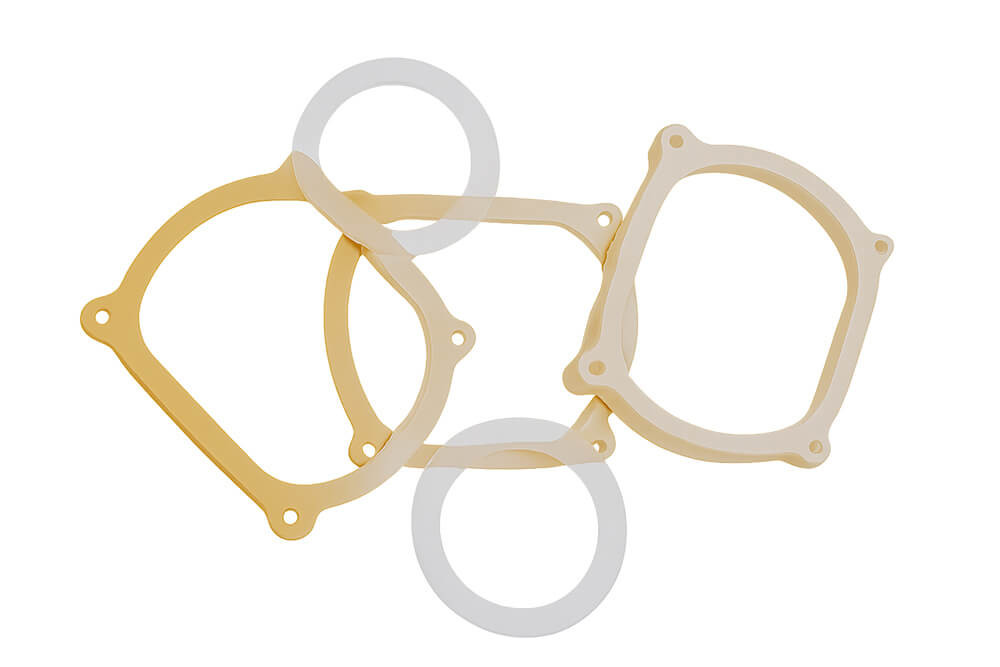
  • Cork and gasket laminates (selected grades).
  • Carpet tiles, underlay and felt laminates.

PET Felt, Textiles & Films

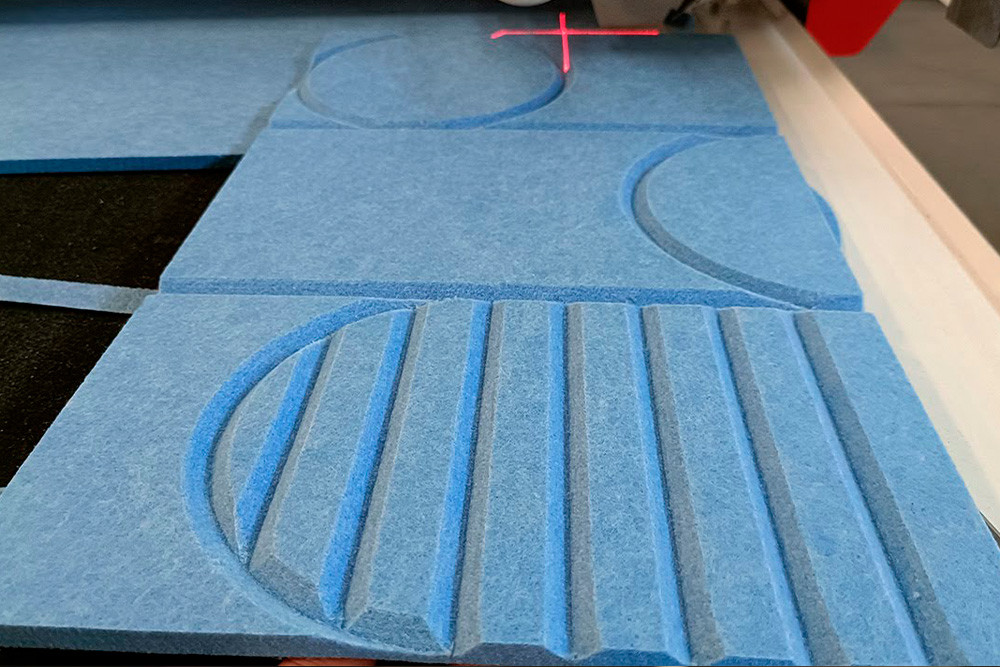
  • PET felt acoustic panels & baffles.
  • Soft signage fabrics & banners.
  • Technical textiles and laminates.
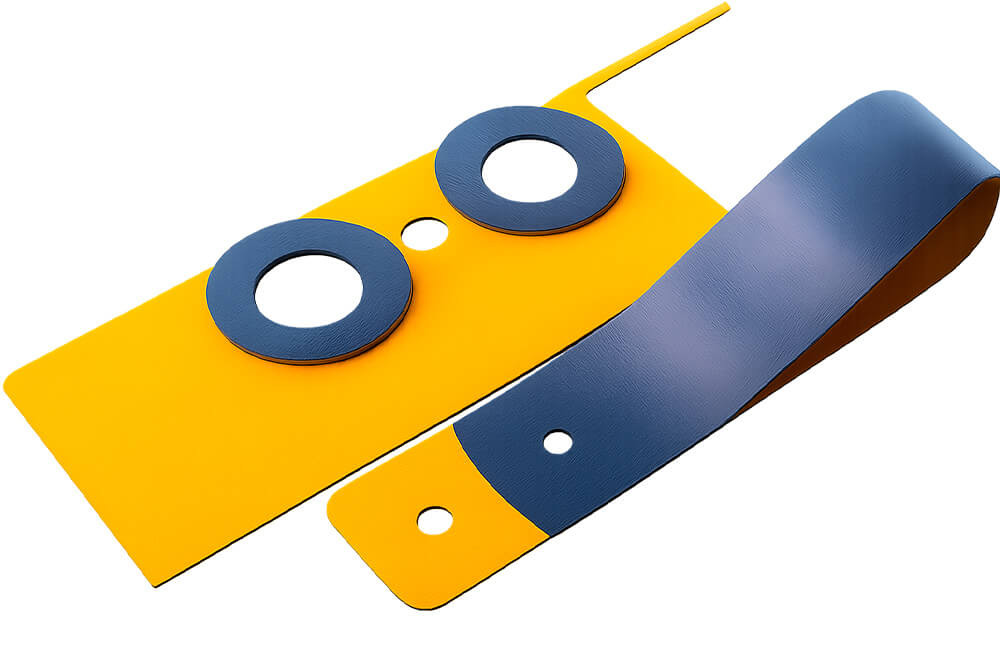
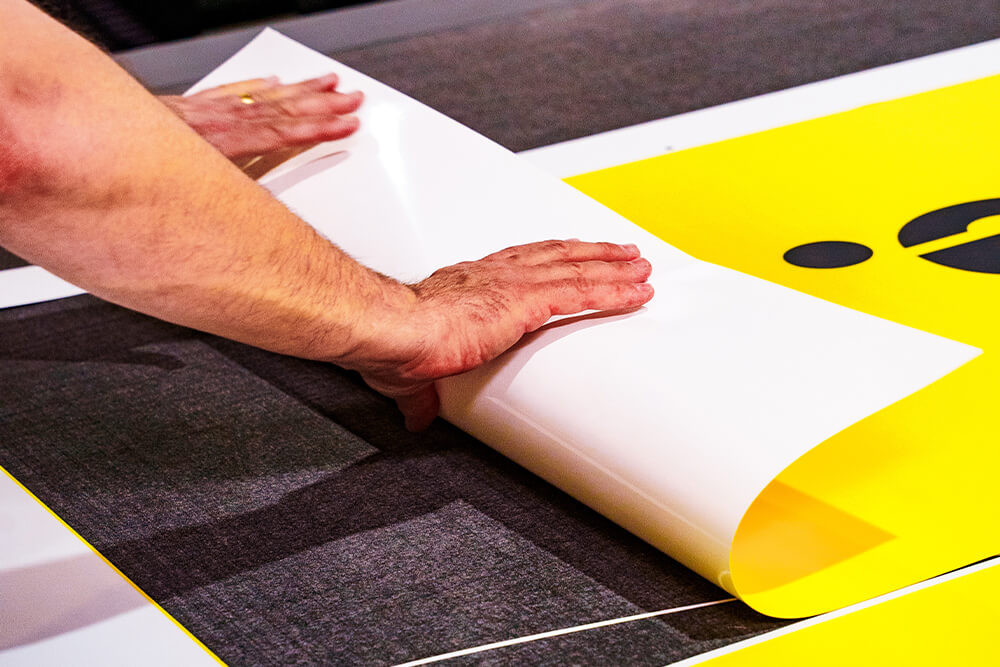
  • Self-adhesive vinyl — kiss-cut & perf-cut.
  • Thin plastics and films that should not be laser cut.

Capabilities at a Glance

Materials

  • Paperboard, cartonboard, corrugated cardboard
  • PE, PU & EVA foams, case inserts
  • PET felt acoustic panels
  • Neoprene, NBR & EPDM rubber sheets
  • Self-adhesive vinyl and films (kiss-cut)

Typical Thickness Range

  • Card & board — up to ~3 mm
  • Corrugated cardboard — single & double wall
  • Foams — up to ~25 mm (material dependent)
  • PET felt — typically 8–12 mm
  • Rubber & cork — gasket grades only

Max values shown are our in-house limits for reliable production quality on the knife table.

Accuracy

  • Dimensional tolerance: ±0.2–0.4 mm typical
  • Kerf: blade-width cut with no heat-affected zone

Finish

  • Clean, cool edges — no burn or soot
  • No tooling marks or bit chatter
  • Ideal for printed boards and acoustic panels

Sheet Size

Up to 2500 × 1600 mm. Larger projects can be tiled and joined, or run as multiple panels.

Why choose this service?

No burn, no fumes

Digital knife cutting is a cold process — perfect for materials that would melt, burn or off-gas on a laser, such as corrugated cardboard, foams, PET felt and many composites.

No dies, no tooling cost

Cut directly from your CAD dielines with no steel rule dies or tooling lead time. Ideal for prototypes, short runs and jobs that change frequently.

Perfect for packaging & POS

Combine UV printing with knife cutting for cartons, inserts, display units and props — all nested efficiently to minimise waste and handling.

Acoustic and interior applications

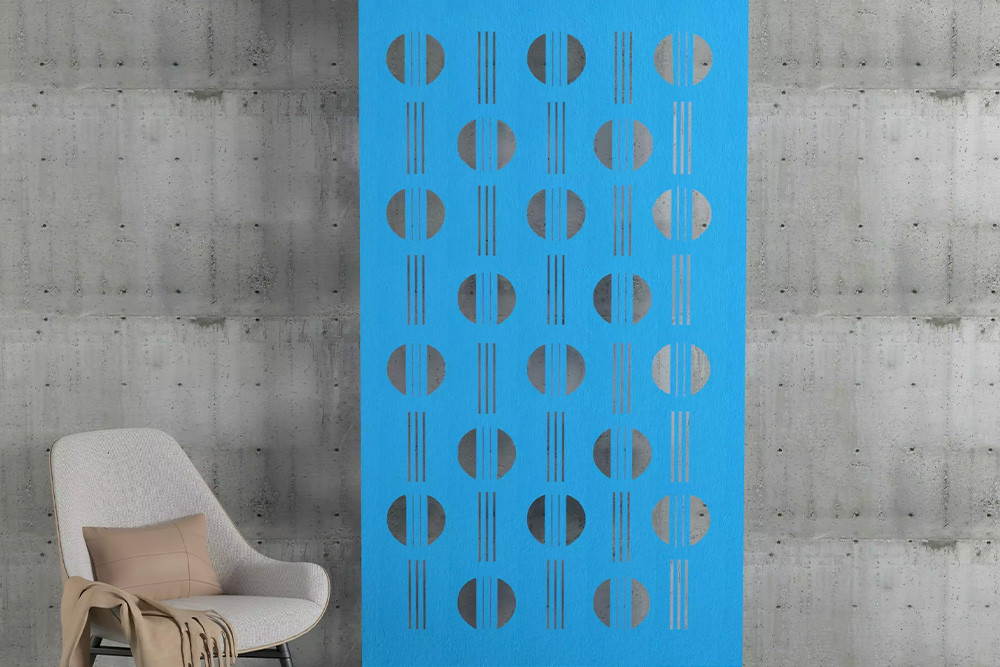
PET felt acoustic panels and baffles cut cleanly without melted edges, ready for interior fitouts and architectural details.

Consistent, repeatable results

Digital files drive the process — parts match between batches and across rollouts, with predictable performance on soft materials.

Trade-ready workflow

We understand deadlines, site dates and packaging launches — with clear tolerances and lead times for trade clients across Australia.
Upload your DXF & get instant pricing

Get instant prices for laser-cut and CNC-cut parts across metals, plastics, composites and more — available 24/7.

1–5 days dispatch Australia-wide delivery Pickup: Botany NSW

Get an instant price

Launch the calculator to upload DXF, DWG or vector files and see live pricing for flat laser-cut parts. Pricing updates instantly based on material, thickness and cut time.

Open instant calculator

Accepted formats: DXF / DWG / AI / SVG / PDF (vector).

No CAD? We can help

Send measurements, sketches or existing parts and we’ll create cut-ready drawings, then quote via the same engine.

Simple plates and brackets can often be drawn and quoted the same day.

More about digital knife cutting

Open the items below for detailed guidance on digital knife cutting of cardboard, foams, PET felt and other soft materials, and best practice for flat parts used in packaging, displays and acoustic installations.

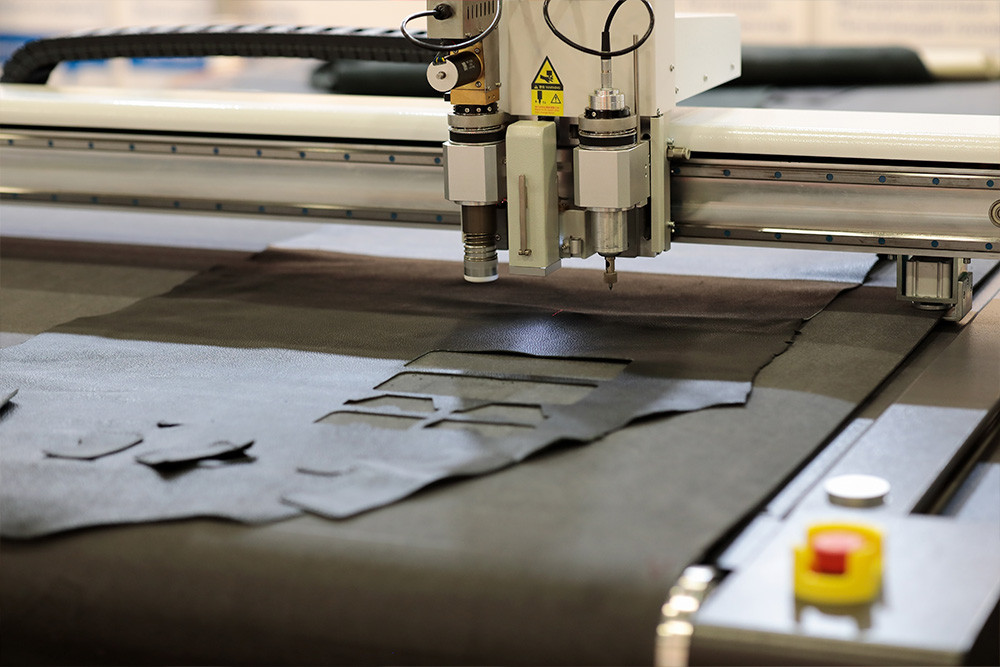
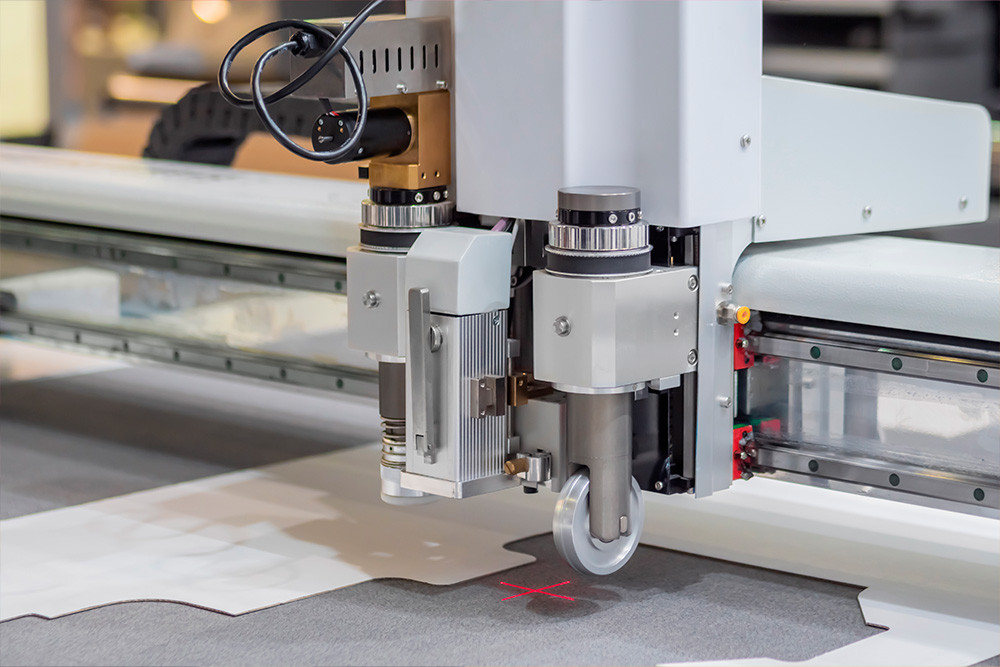
A digital knife table uses oscillating and drag knives that physically cut through the material, with no heat-affected zone. This makes it ideal for substrates that do not laser cut safely or cleanly, such as corrugated cartons, PE/EVA foams, PET felt and many laminates. Compared to die cutting, there is no steel rule tooling to purchase or store, and design changes are handled simply by updating the CAD file.

In-house we typically cut: cartonboard and paperboard up to around 3 mm, single and double-wall corrugated board, PE/PU/EVA foams up to ~25 mm, PET felt in the 8–12 mm range, plus selected rubber and cork gasket materials. Textiles, banners and self-adhesive vinyl are also suitable for knife cutting. Metals, glass and ceramic materials are not compatible — those are better suited to fibre laser cutting or CNC routing.

For digital knife cutting, allow minimum feature sizes roughly equal to material thickness on structural elements, and avoid extremely fine unsupported tabs that can flex or tear. Typical dimensional tolerances are ±0.2–0.4 mm depending on material and part size. We nest with the correct clearance so your cut parts match the CAD while accounting for blade path and hold-down.

DXF/DWG and AI/SVG are best for digital knife cutting; vector PDF is also fine if exported correctly. Use millimetres at 1:1 scale, outline all text, join paths where possible and remove duplicate/overlapping lines. For packaging, keep cut, crease, perf and kiss-cut lines on separate layers or colours so we can map them to the correct tool and operation on the table.

Pricing is driven by material, thickness, cut length, number of operations (cut, crease, perf, kiss-cut), nesting efficiency and quantity. Mixed nests of multiple parts are usually more economical than many separate small jobs. Typical dispatch is 1–5 business days after artwork approval, with rush options available for time-critical packaging, events and retail rollouts.

Our digital knife cutting service in Sydney is built for printers, packaging companies, signmakers, acoustic suppliers and manufacturers who need clean parts in soft materials with tight repeatability. By combining smart nesting with dialled-in cut settings for each substrate, we produce parts that often go straight into kitting, installation or packing with minimal hand finishing.

Typical applications include packaging prototypes, short-run cartons, foam inserts, acoustic panels, gaskets, POS displays and cardboard props. We work with everyone from design studios and agencies through to fabricators, printers and end users who need a production partner for non-metallic flat parts.

Whether you need a single prototype packaging set or a full rollout of knife-cut panels, digital knife cutting is usually the most efficient way to produce flat soft-material components with premium edge quality. Upload your files through the instant calculator, or contact us if you’d like help optimising your design for digital knife cutting.

FAQ

DXF / DWG / AI / SVG / PDF (vector). Keep geometry clean, closed and 1:1 in mm. Outline all text and remove duplicate or overlapping lines. For packaging work, separate cut, crease and perf lines onto their own layers or colours.

Cartonboard, corrugated cardboard, PE/PU/EVA foams, PET felt, selected rubber and cork gaskets, textiles, banners and self-adhesive vinyl all cut extremely well. If you are unsure whether your sheet is suitable, send us the datasheet before supplying material.

For prototypes and low-to-medium volumes, yes. There is no tooling cost, design changes are simple and lead times are shorter. For very large volumes with stable designs, traditional die cutting may still be more economical — we can advise based on your job.

Typical production parts are ±0.2–0.4 mm depending on material, thickness and part size. We can advise tighter tolerances for critical features once we know the substrate and application.

Yes. We stock common boards, foams, PET felt and vinyls, or we can cut from customer-supplied sheets where suitable and safe.

Typical dispatch is 1–5 business days after artwork approval. Rush options may be available depending on material and workload, especially for time-critical packaging, events and retail campaigns.

Digital Knife Cutting in Sydney. Laser Cutting Experts Offers High-Precision Digital Knife Cutting Services in Sydney Australia.